




Uncontrolled consumption of Personal Protective Equipment (PPE), cutting tools, hand tools, and consumables in manufacturing plants creates serious costs that never show up in the books. Issues such as employees taking more supplies than they need, inaccessibility of the tool crib during night shifts, or failing to return worn-out items when acquiring new ones directly increase the production cost per unit.
In our customers’ experience, consumable waste can reach 20% to 40% in factories without industrial vending or automated inventory tracking. So, how can you prevent this waste and boost your operational efficiency?
Here are 5 ways to reduce PPE and cutting tool waste in factories:
1. Break the Habit of “Shift Hoarding”
Employees often take more products than they actually need (e.g., 5 pairs of gloves, extra masks) and store them in their personal lockers out of fear that supplies will run out during their shift. This is known as “shift hoarding.”
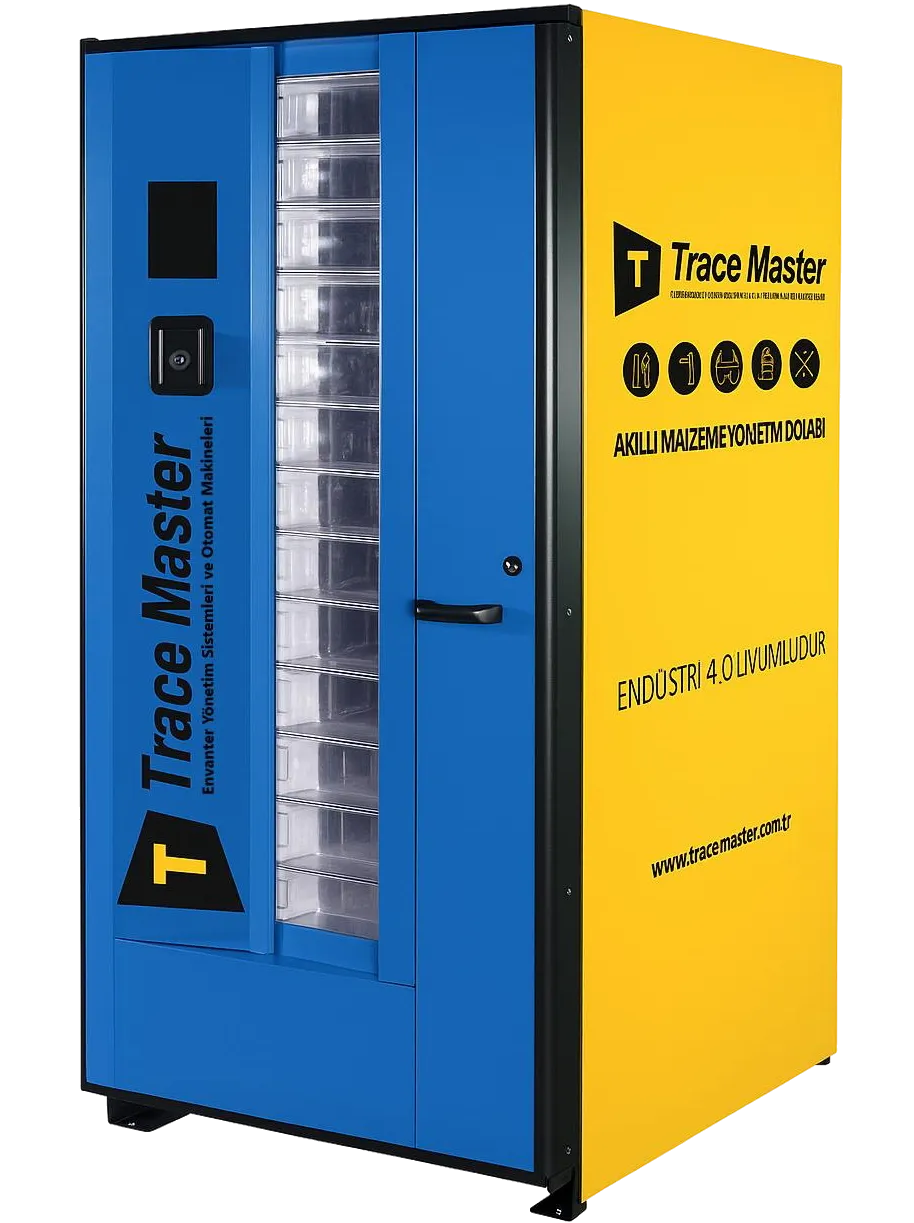
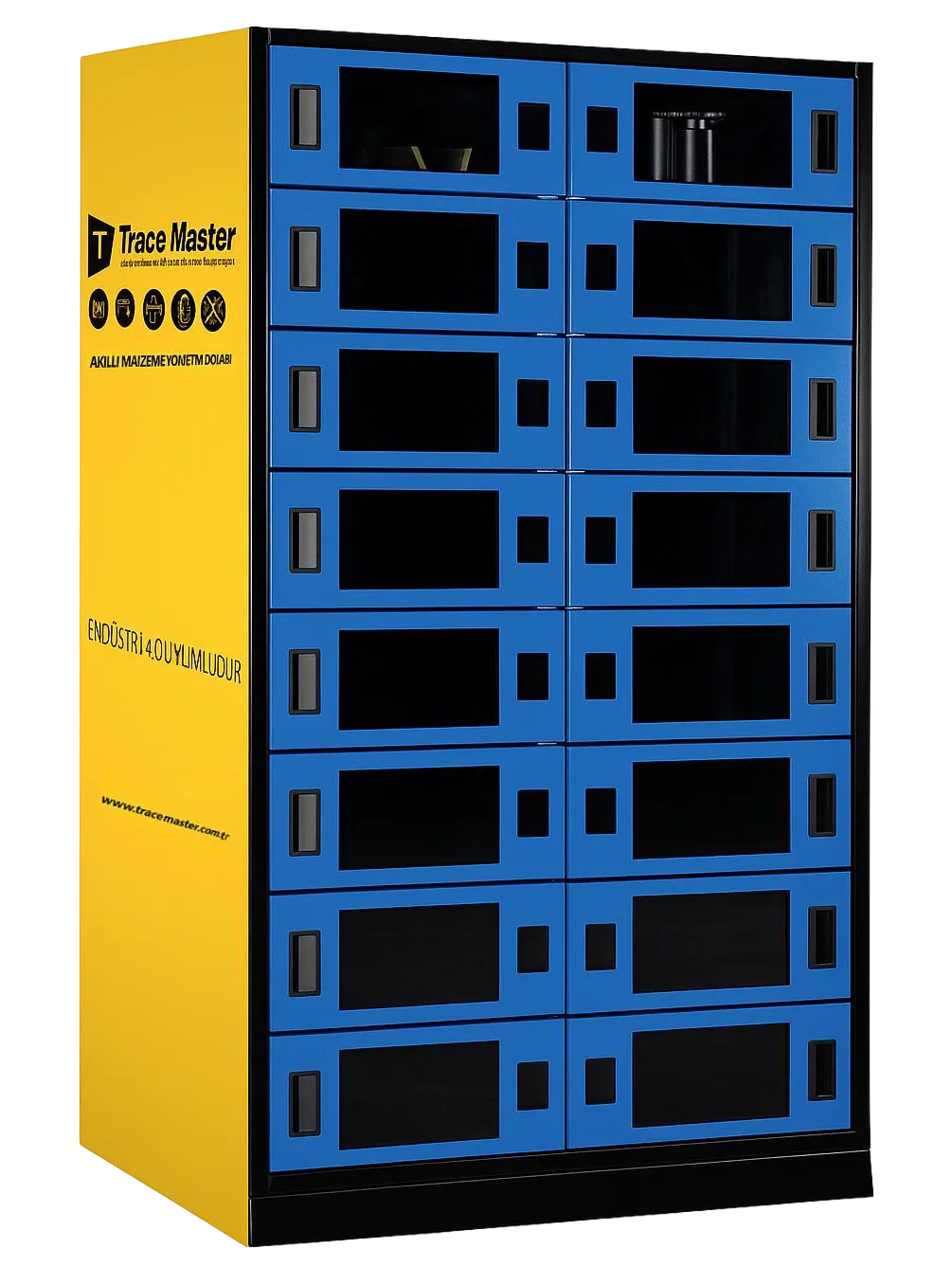
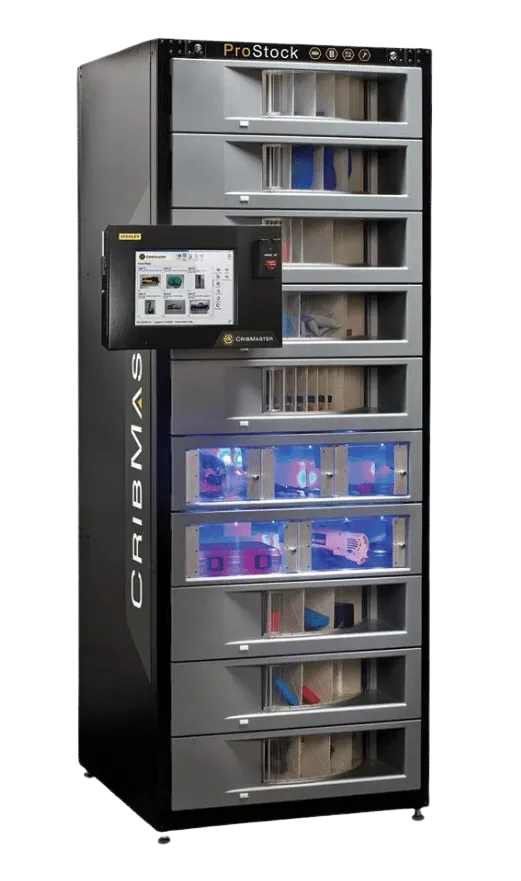
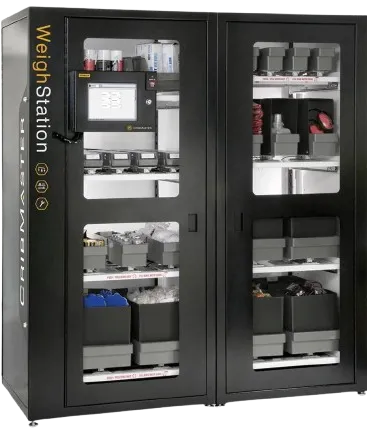
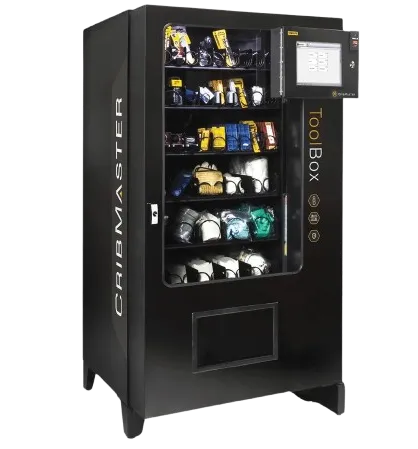
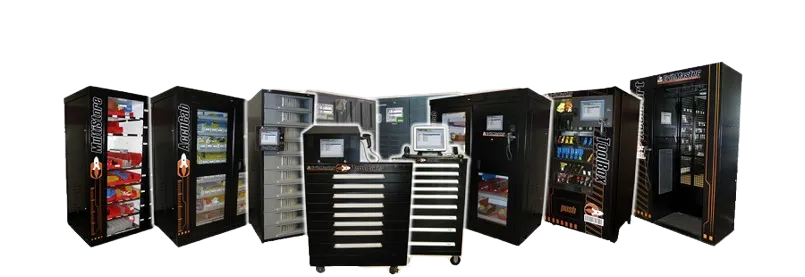
Solution: Place 24/7 accessible industrial vending machines (such as TraceTurn or TraceBox) on the production floor. When workers know they can access supplies at any moment, they stop hoarding.
2. Implement Individual and Department-Based Quotas
When materials are taken from open shelves in traditional warehouses, it is almost impossible to track who used what, when, and how much. This leads to disproportionate use and lost items.
Solution: Install smart vending systems integrated with ID badges (RFID) or biometric scanners. Assign a usage quota based on each employee’s job description (e.g., “2 pairs of assembly gloves per week”). When the limit is exceeded, the system automatically issues a warning or requires managerial approval.
3. Prevent Unmonitored Losses During Night Shifts
In many factories, the tool crib or warehouse attendant works only during the day shift. When an urgent item is needed at night, the foreman opens the warehouse, and the unlogged items end up recorded as “shrinkage” or “loss”.
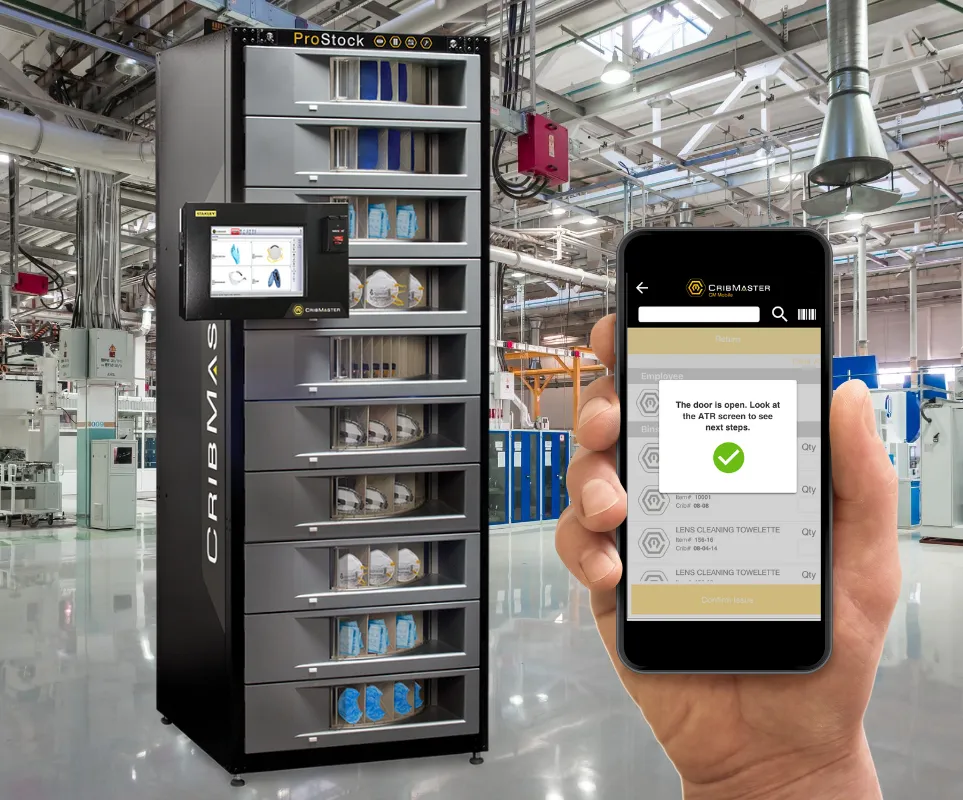
Solution: Unmanned smart vending systems take over the role of the tool crib manager during night shifts. Every transaction is logged to the second, and stock is updated in real time in the ERP system (SAP, etc.).
4. Adopt “Use & Return” Instead of “Use & Throw”
Costs multiply rapidly when expensive hand tools, torque wrenches, calibrated devices, or radios are not returned at the end of the day and go missing.
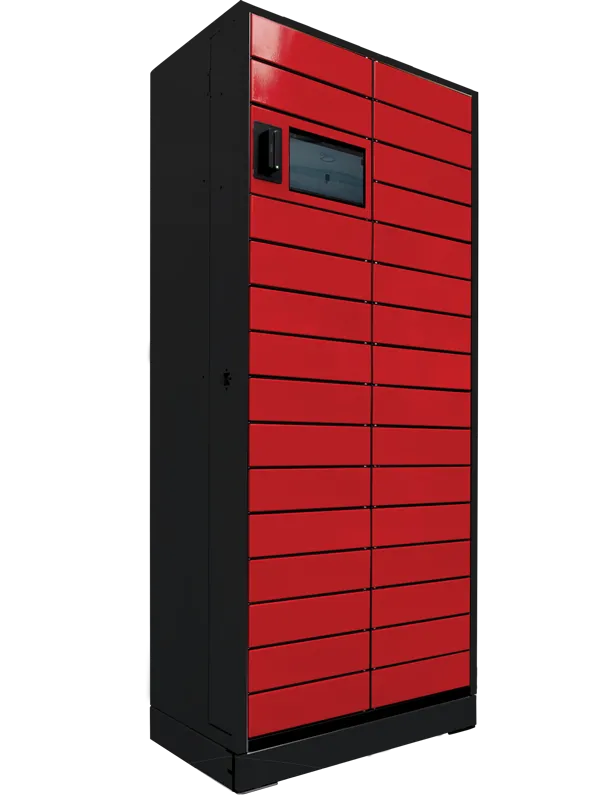
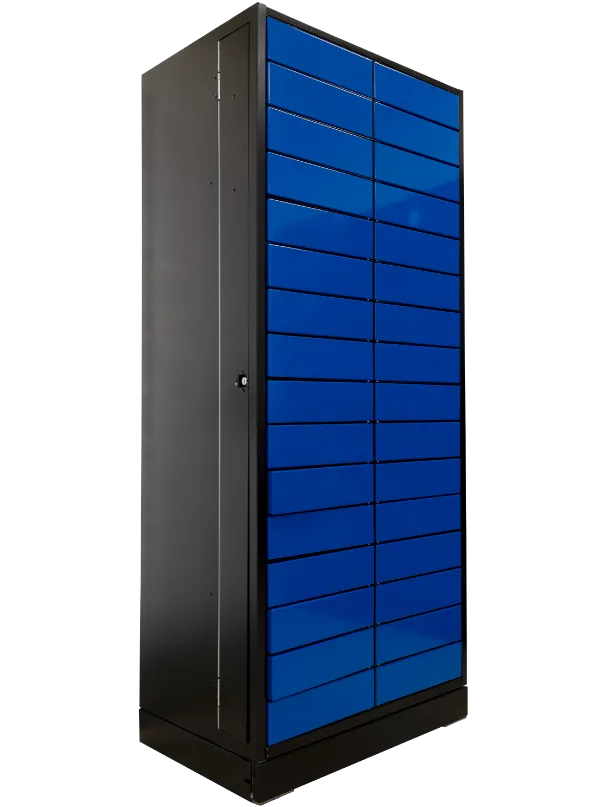
Solution: Track the devices assigned to personnel with smart lockers. Some systems automatically send an SMS or email alert to the employee and their manager if a device is not back in the locker by the end of the shift, and can also monitor charging status and calibration dates.
5. Eliminate Production Downtime by Preventing Stock-outs
When a critical CNC cutting tool or safety equipment runs out, the resulting production halt costs far more than the value of the item itself. Traditional manual counting methods are prone to human error, and critical stock levels are usually only noticed when the item is completely depleted.
Solution: Smart vending software automatically sends a purchase request to the procurement department when inventory falls below your critical threshold (minimum stock level), so items are reordered before they run out.
Conclusion
Controlling PPE and consumable consumption not only saves up to 20% - 30% of the procurement budget, as our customers report, but it also ensures uninterrupted production processes. TraceMaster’s TraceTurn (Carousel Vending) and TraceBox (Smart Locker) stop waste at its source.