

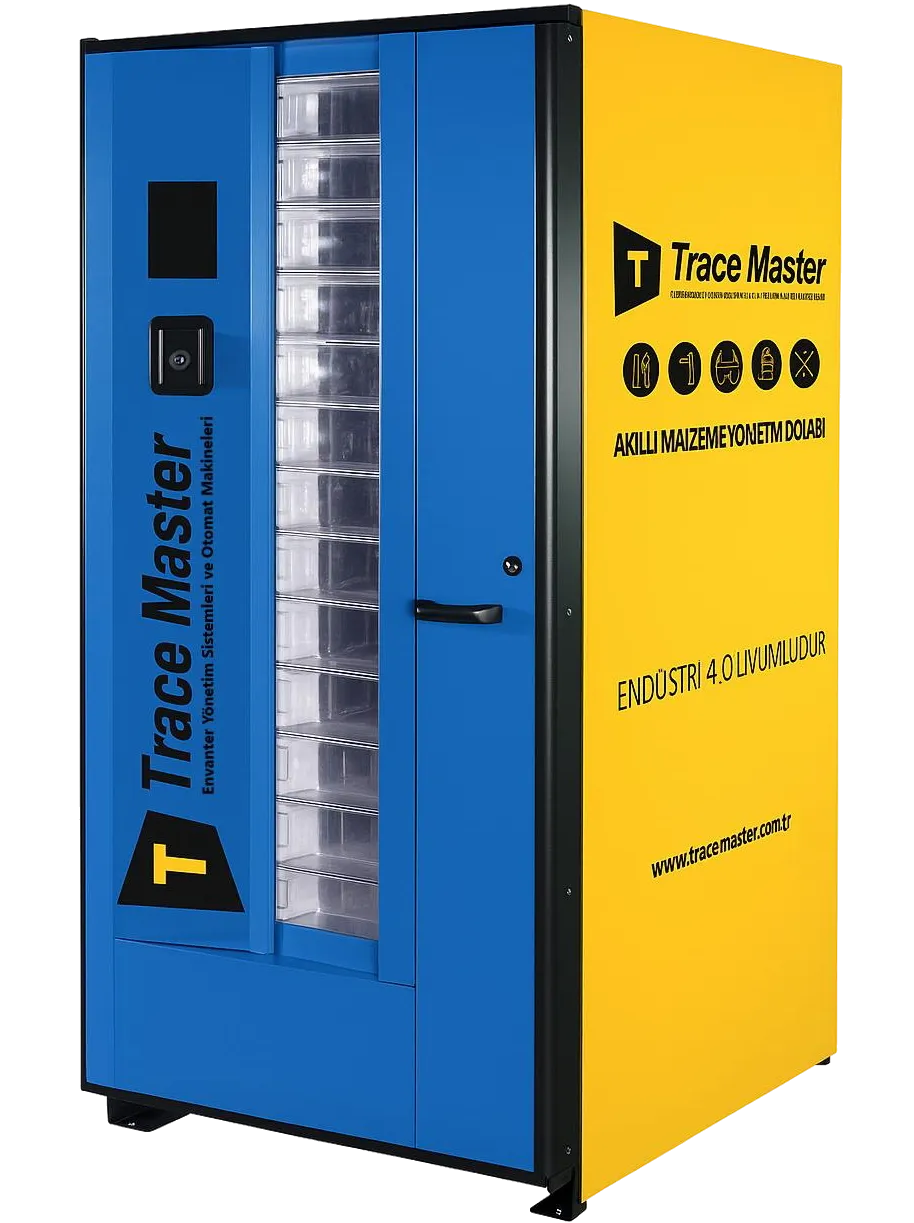
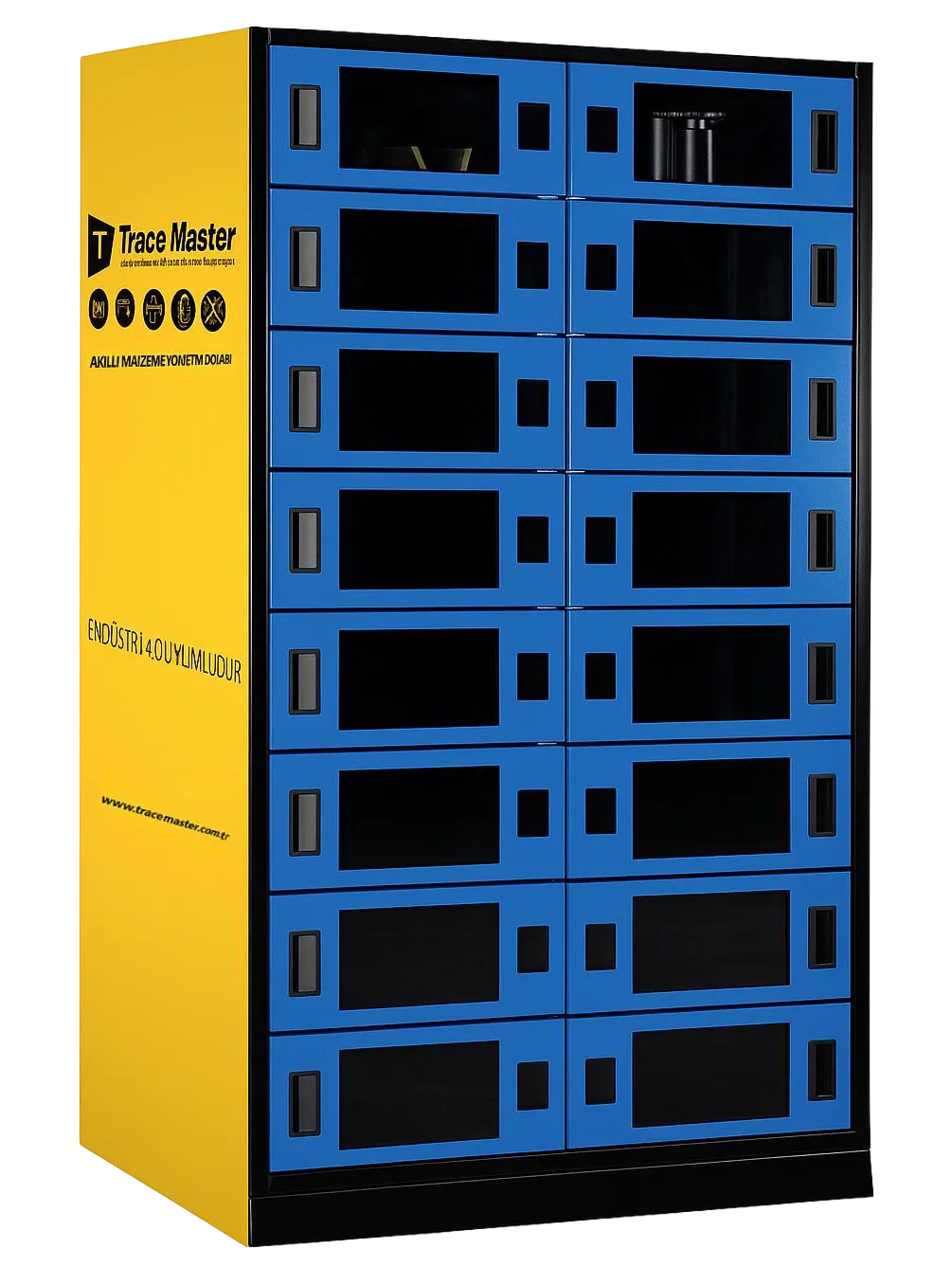
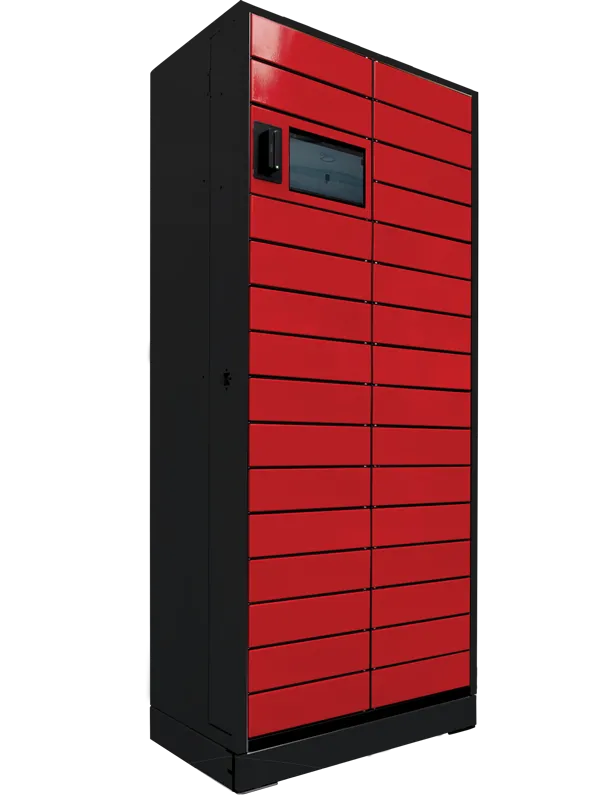
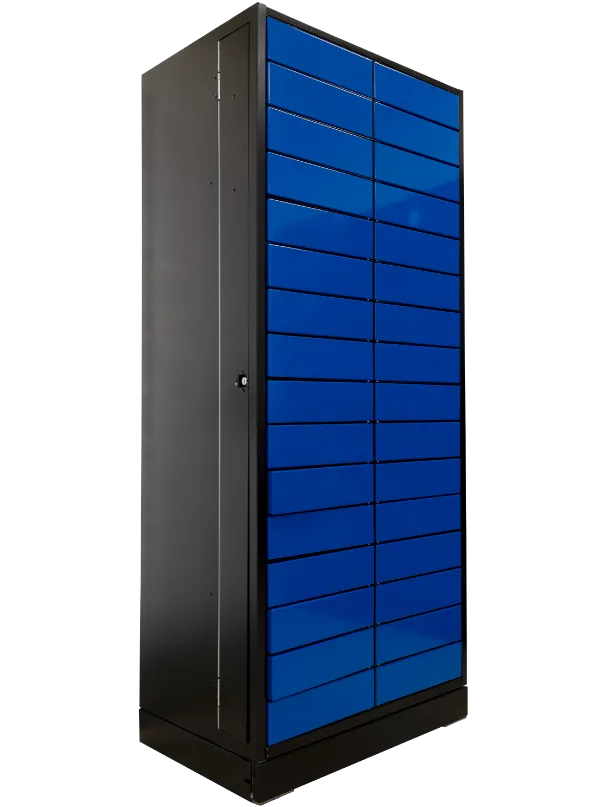
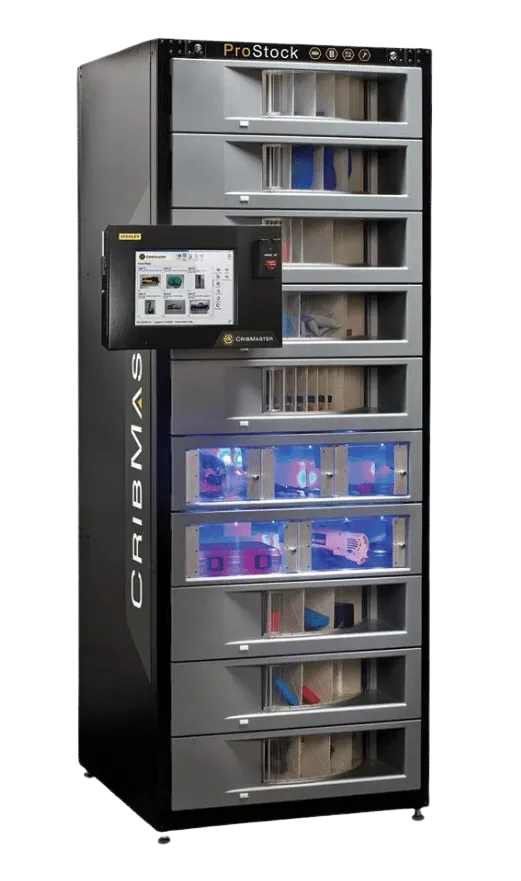
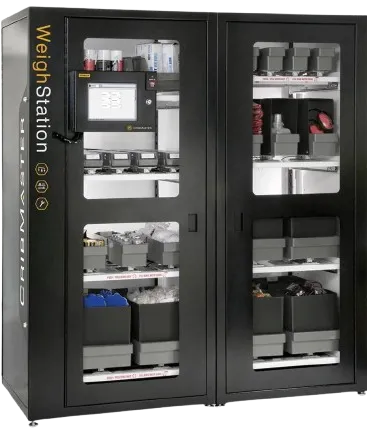
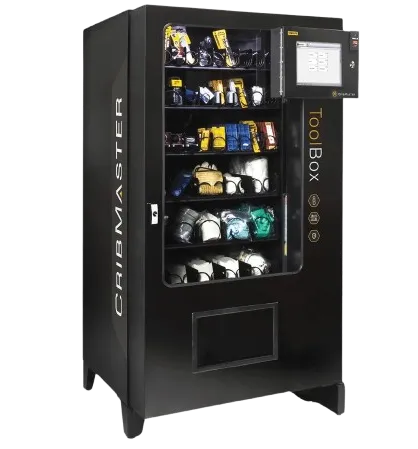
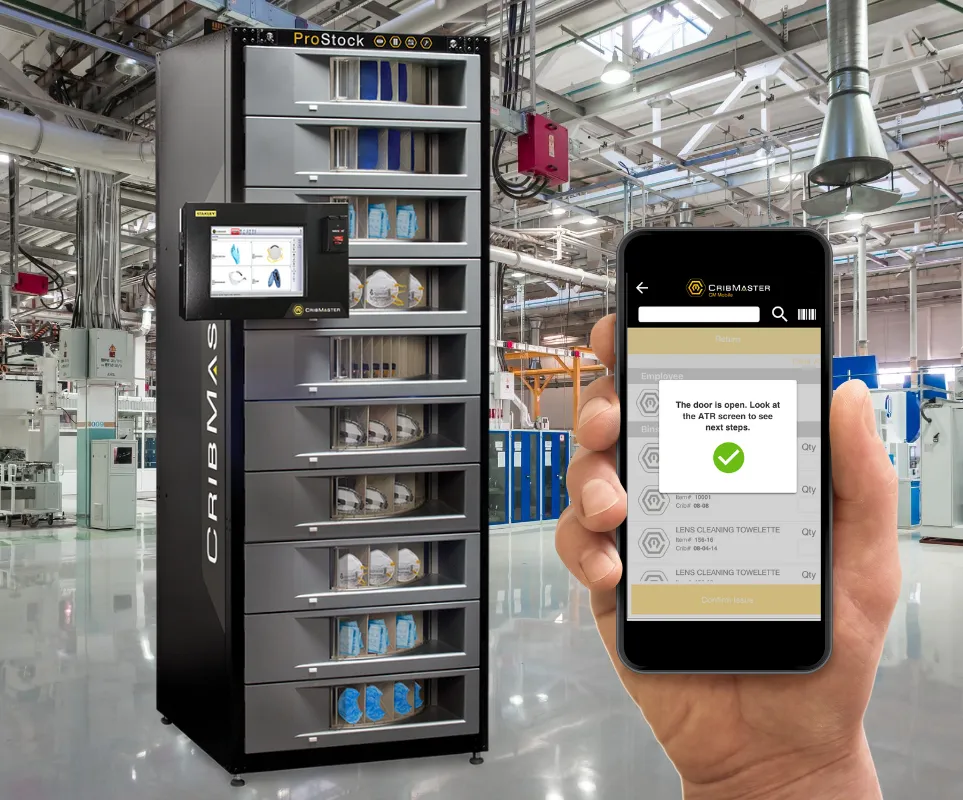
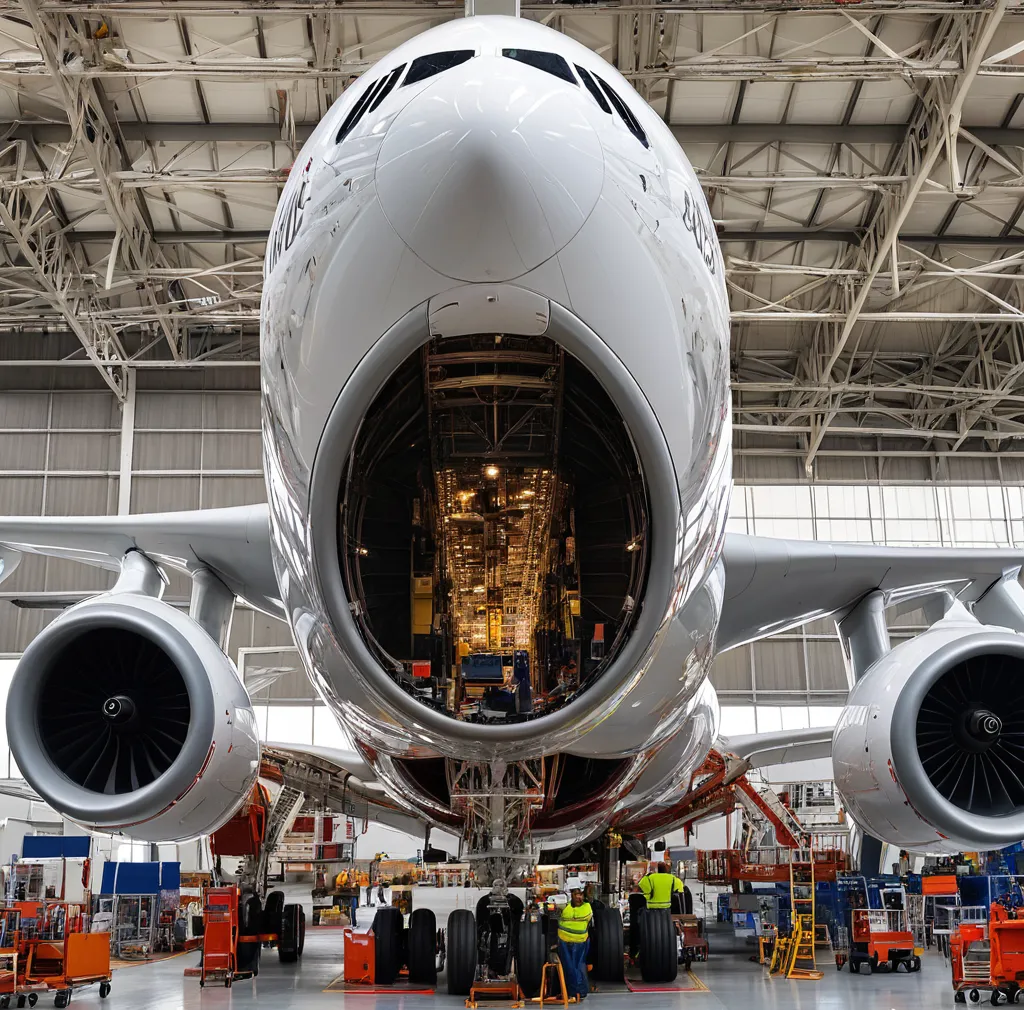
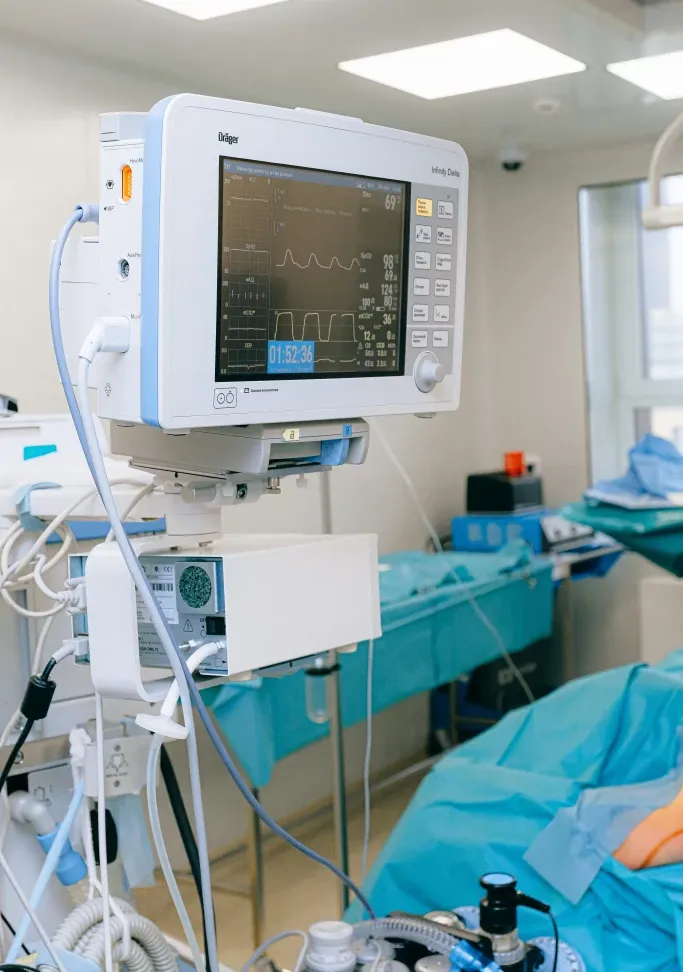


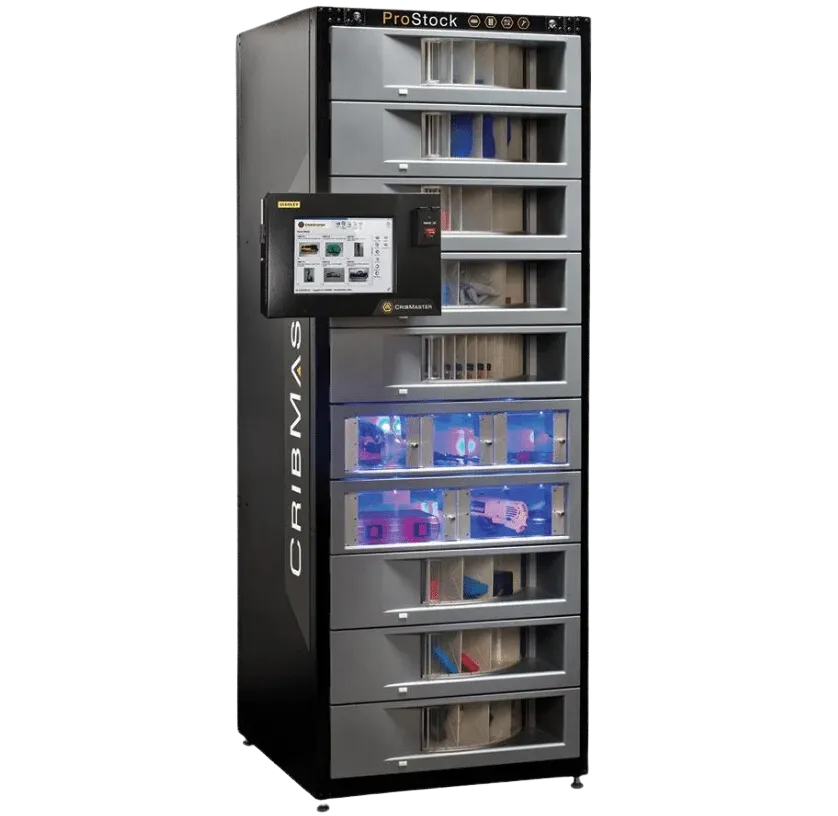
On complex, high-volume manufacturing lines, disorganized supply shelves and missing tools lead to production delays, quality problems, and rising indirect costs. Industrial vending machines remove this disorder by putting material issue under fixed rules.
1. Standardization of Material Access
Industrial vending machines standardize how every consumable item, PPE unit, and cutting insert is checked out. Human error and informal borrowing are replaced with rule-based steps, so production flows the same way on every shift.
2. Integrated Management Systems
Modern industrial vending machines come with central management software. Managers can monitor stock levels, material movements, and user access in real time, across several buildings or production cells. When stock reaches a critical limit, the system sends an automatic alert so supply is not interrupted.
3. Workplace Organization & 5S Alignment
By replacing open, cluttered storage bins with compact, secure vending enclosures, facilities directly support 5S lean workplace principles. Keeping tools and supplies neatly organized reduces shop-floor clutter and creates a safer, cleaner working environment.
4. Uninterrupted 24/7 Availability
Production schedules often span multiple shifts, weekends, and holidays. Automated vending systems give round-the-clock access to critical equipment without a storeroom attendant on every shift.
5. Continuous Improvement Through Data
By tracking who checks out each item, for which job, and at what frequency, management gains clear visibility into process bottlenecks and usage spikes. With this data, plants can prevent waste and apply lean manufacturing.
6. Secure Asset Protection
Valuable calibrated gauges, handheld scanners, and premium safety gear remain protected against loss and unauthorized handling. Items can be checked out and checked back in with full accountability.